Plainview Roof Pros: Replacement, Leak Tracing, Metal, Flat Roofs and Drainage
Roofing for homes, shops and downtown buildings across Hale County, priced around where the water goes.
- City of Plainview permit pulled and the number written on your invoice
- Free inspection that maps drainage as well as the covering
- Liability and workers compensation certificates sent by the carrier direct
- Written workmanship warranty covering tear-off, dry-in and penetrations
Our Roofing Services in Plainview, TX
Roof Replacement
A replacement is two decisions, not one. The covering is the easy half.
Roof Leak Repair
Leaks behave differently in a place that is only rained on a few times a year. A roof here sees six or eight real wetting events between May and September, then sits dry for months, which gives a small defect a long while to work unseen.
Storm Damage Restoration
The storm that matters here is a single convective cell that parks over town, drops two or three inches in under an hour, and moves on. Everything about restoration follows from how much water arrives at once and how little of it goes anywhere afterward.
Hail Damage Roofing
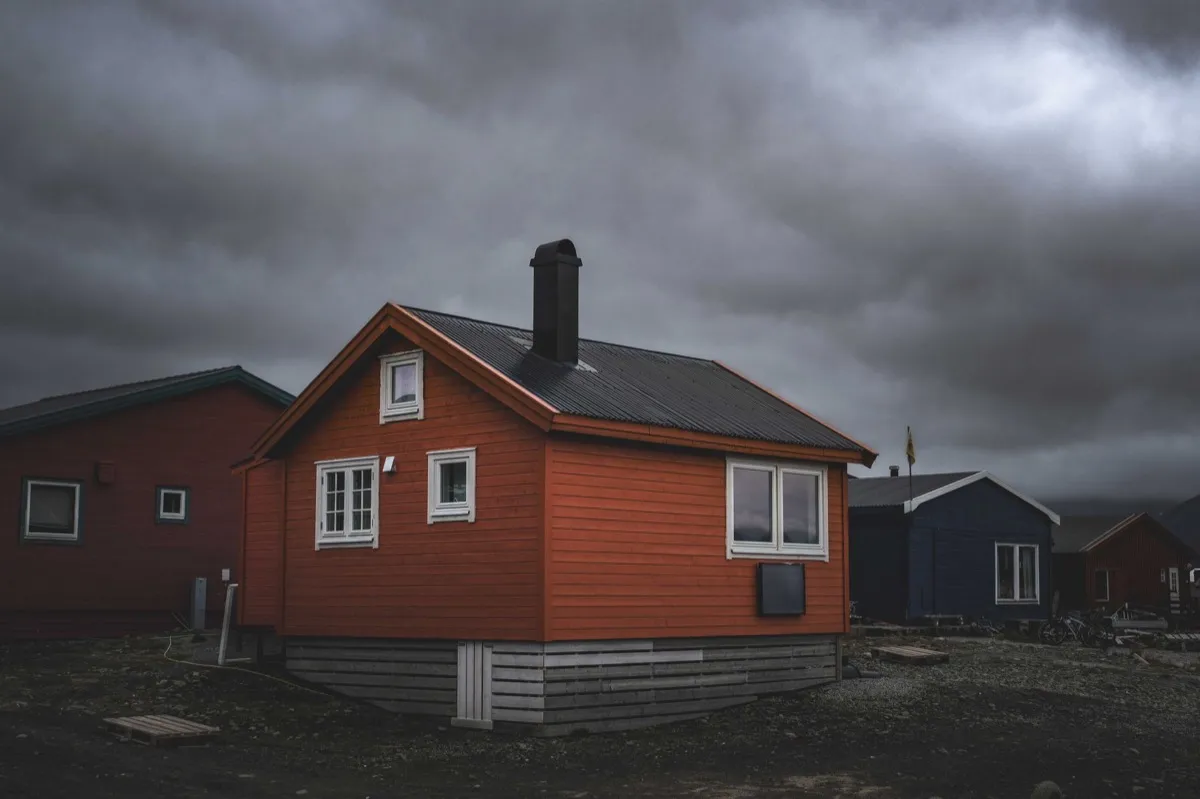
Hail arrives inside the same cell that dumps the rain, which is why the expensive damage on a Plainview building is often not the part anybody photographs. Bruised shingles are visible and get argued about.
Wind Damage Roofing
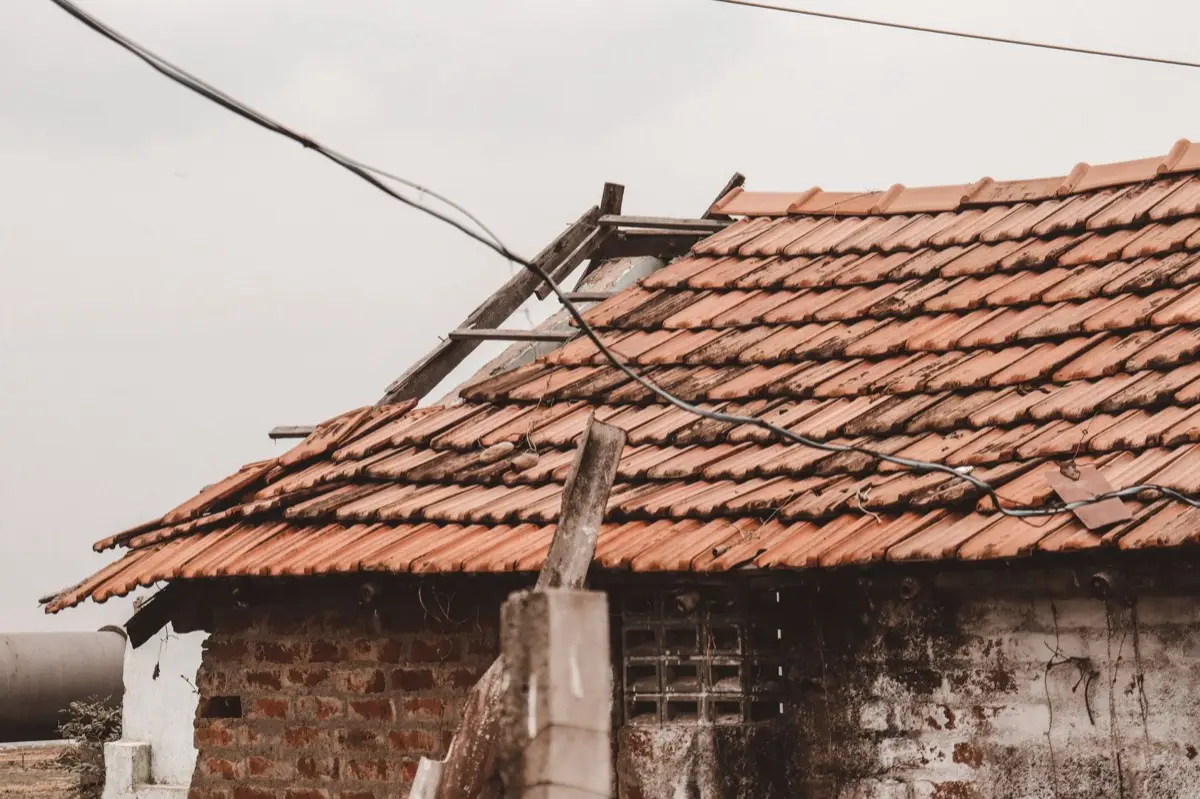
Wind damage starts at the edges, not in the field of the roof. There is nothing upwind of a house here to slow the air down, so the pressure differences that peel a covering concentrate at the rake, the eave and the courses above them.
Roof Inspections
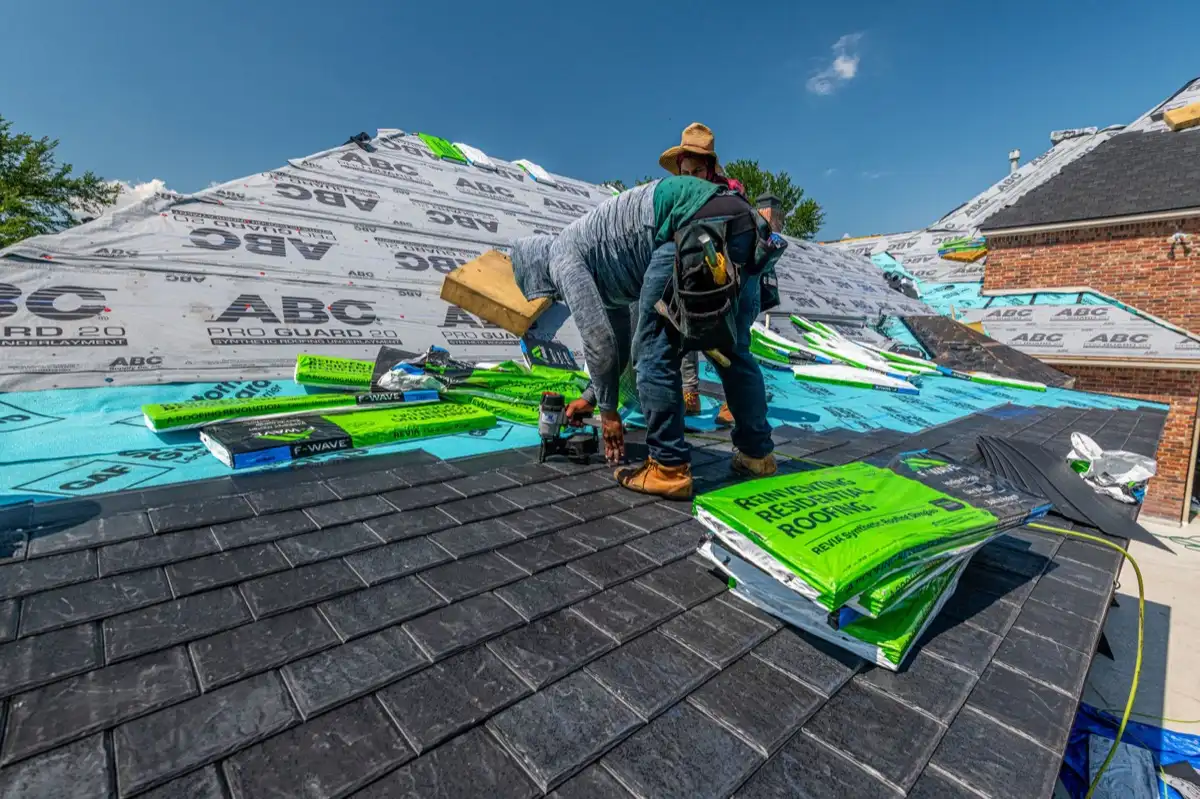
Our inspection has two halves and the second one is what people remember. The first is the covering, which is ordinary work.
Asphalt Shingle Roofs
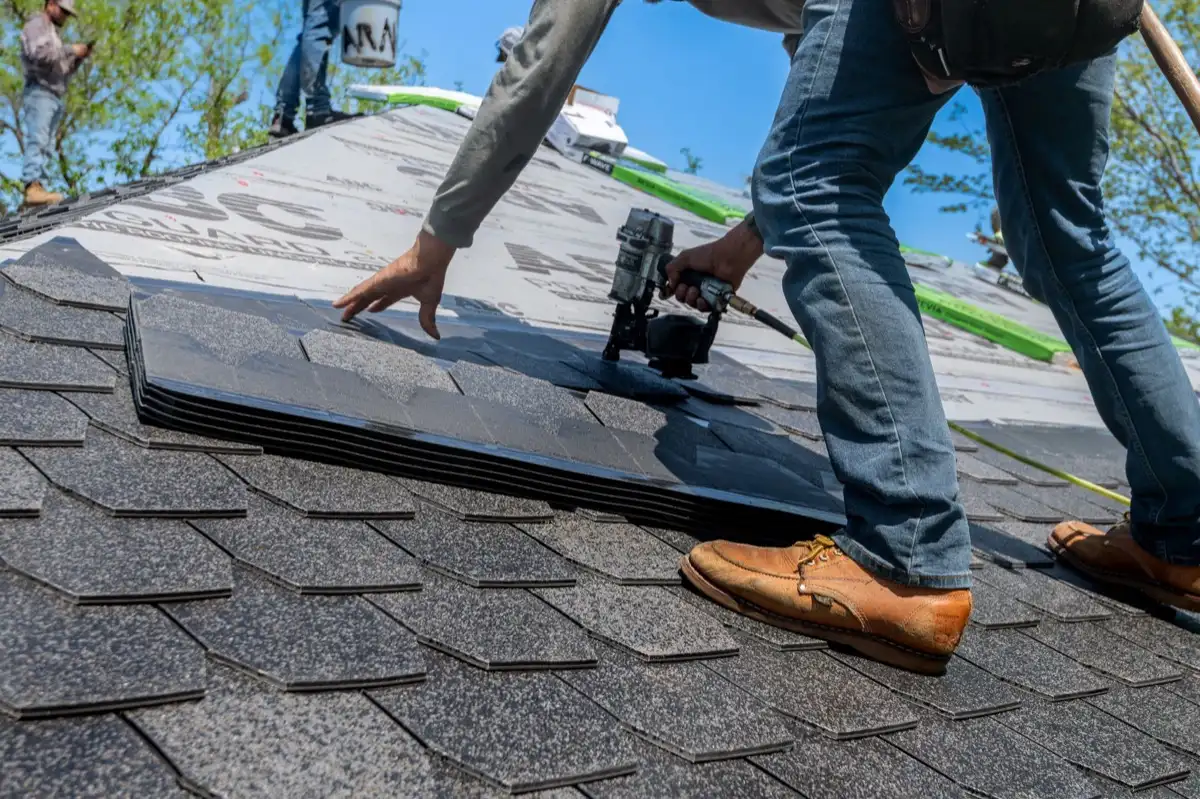
For most houses in this town, asphalt shingle is the correct choice and we are not going to talk anybody out of it. It is cheap to buy, cheap to repair, understood by every crew in the county, and it handles what matters here as well as anything dearer.
Metal Roofing
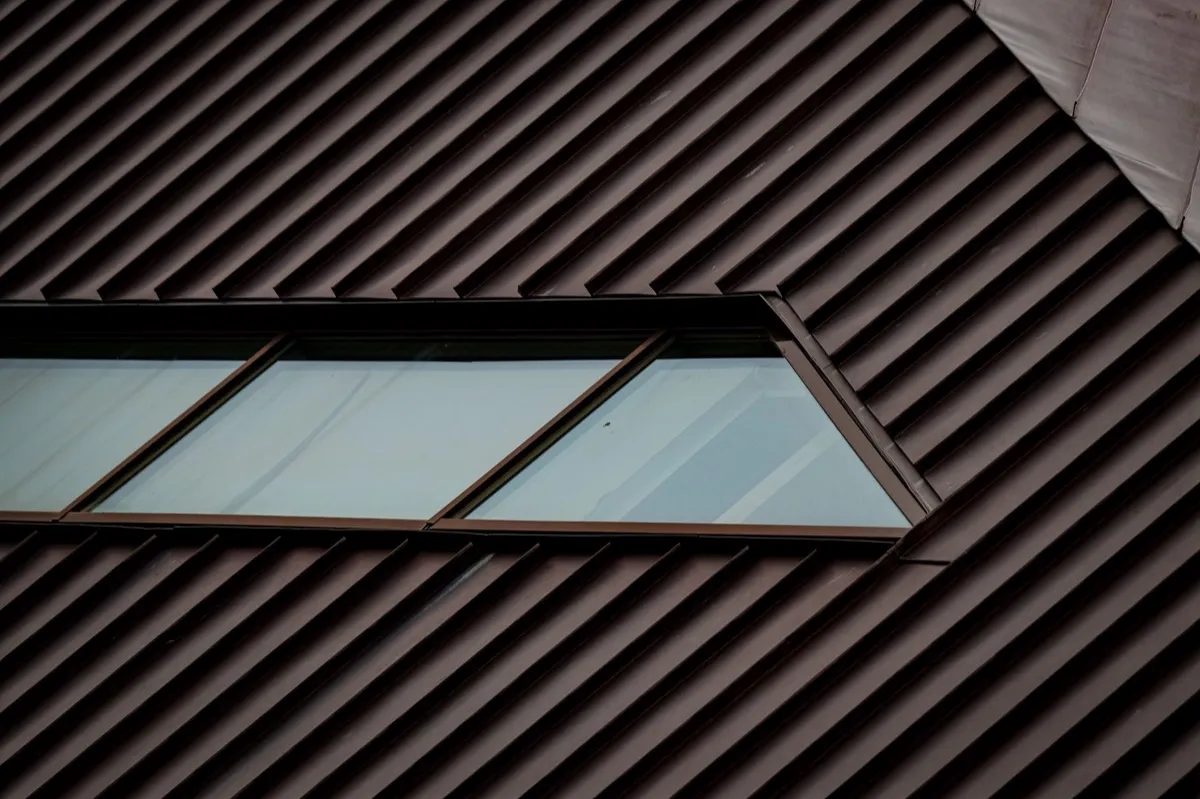
Metal covers more square footage around Plainview than anything else once you count the shops, gins and machine sheds outside the city limits. Almost all of it is exposed-fastener panel, and almost all of the trouble it gives comes from two places: the screws and the side laps.
Tile Roofing
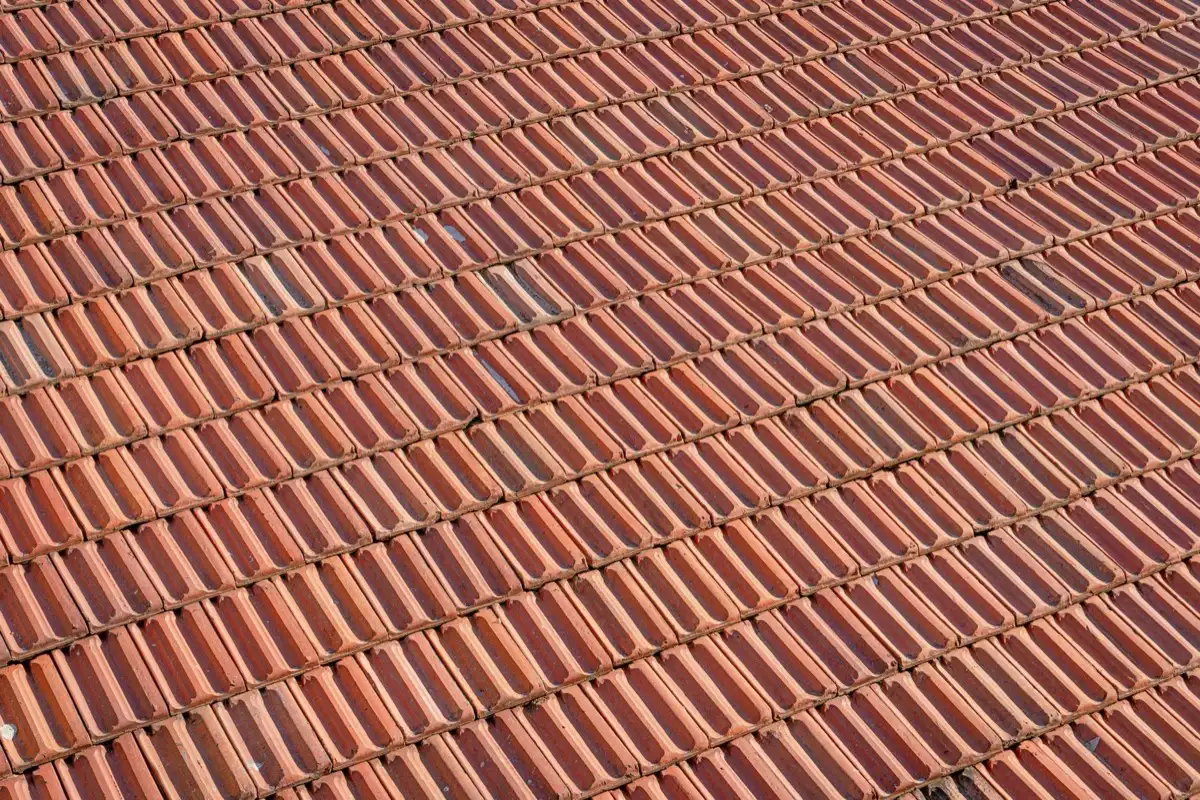
Tile is a fine roof in the right place and Plainview is mostly the wrong place for it. If you already own one we will keep it running properly.
Flat and Low-Slope Roofing
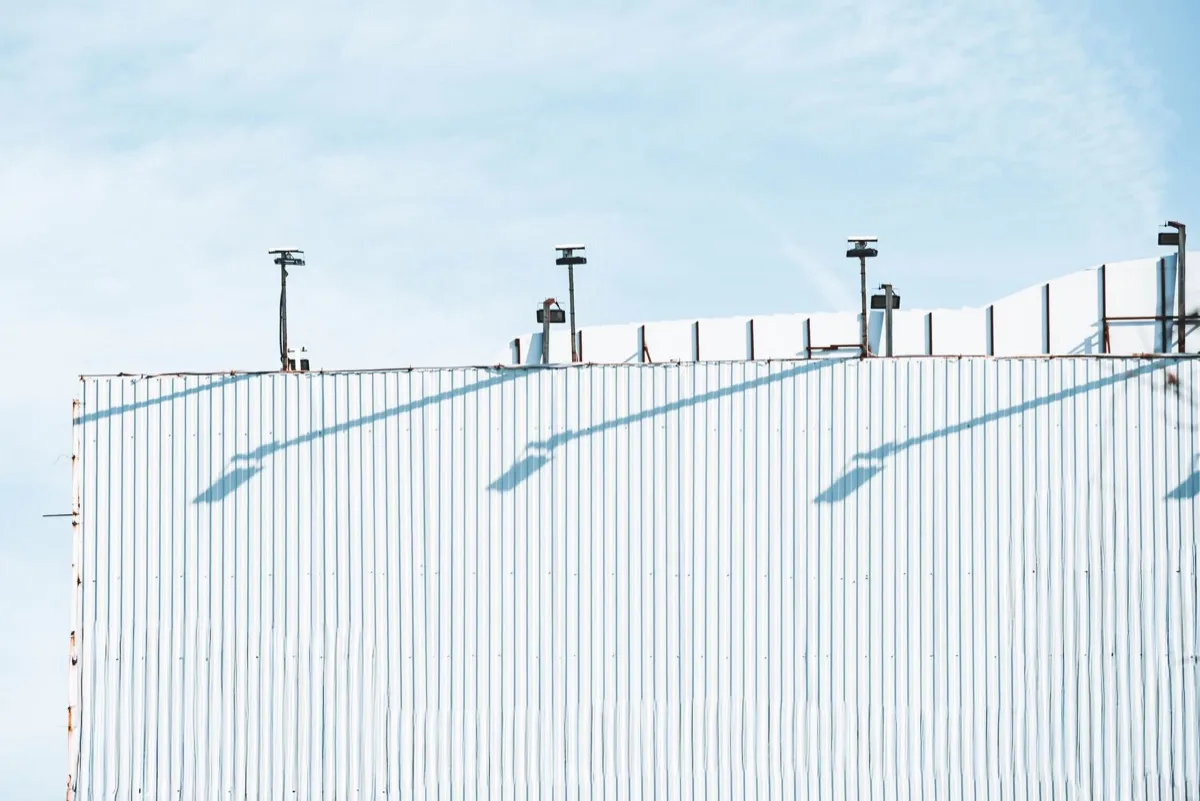
Every downtown block in Plainview is the same building in cross section: a brick box, a dead-flat deck, a parapet all the way around. That parapet is a wall holding water back, and it works as long as the drainage through it works.
Roof Coatings and Sealing
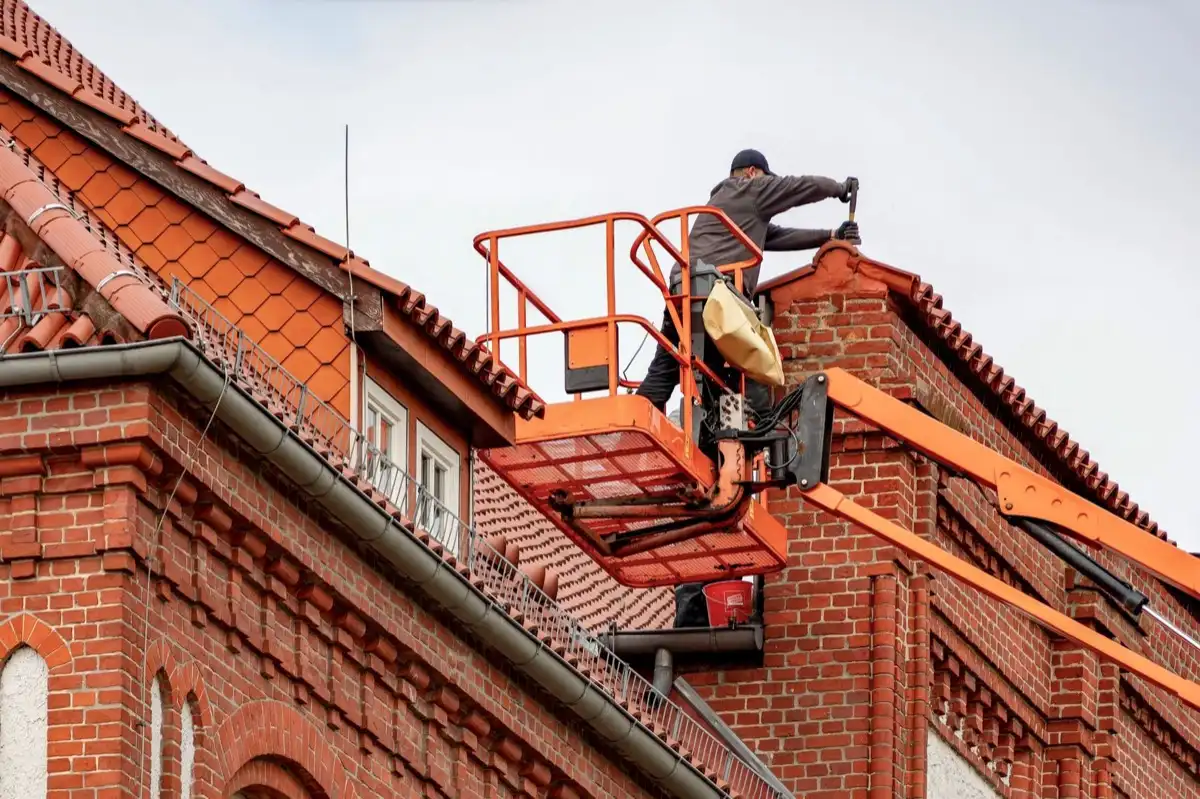
Coating is a real option on a sound roof and a waste of money on a wet one, and the difference is measurable rather than a matter of opinion. The deciding question on a flat deck here is always the same.
Roof Ventilation
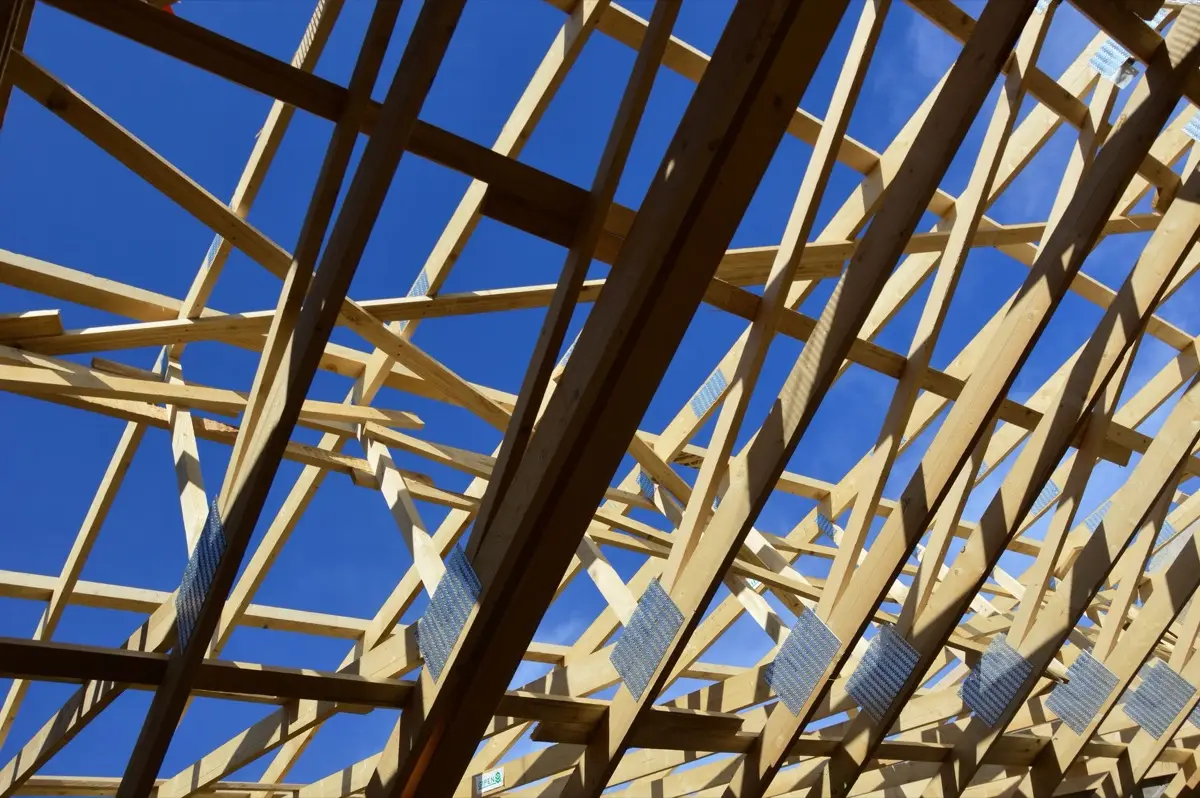
Attic ventilation gets oversold in dry country. The humidity that makes it urgent in Houston or Tulsa is absent here for most of the year, so on most Plainview houses the honest recommendation is to meet the code area, detail the openings, and stop.
Skylights
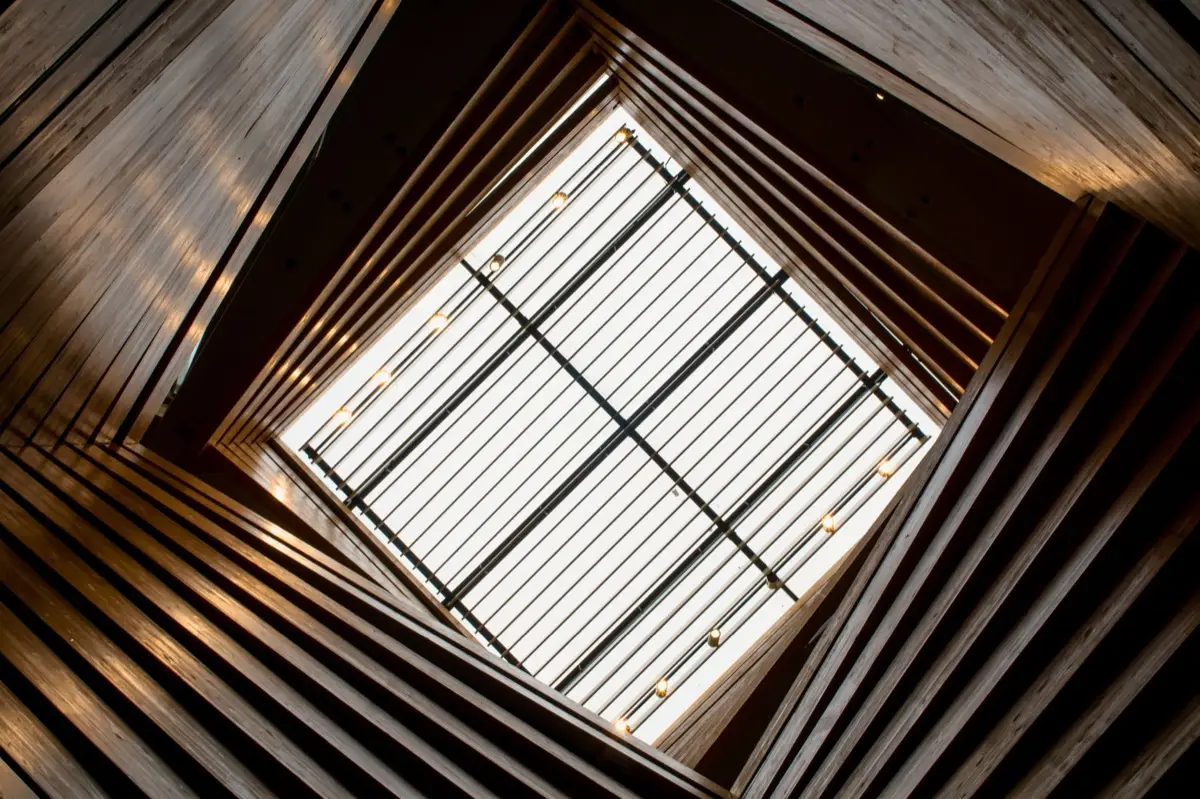
Skylights are worth having, and they also generate more leak calls to this office than anything else on a roof. Both things are true at once.
Fascia and Soffit
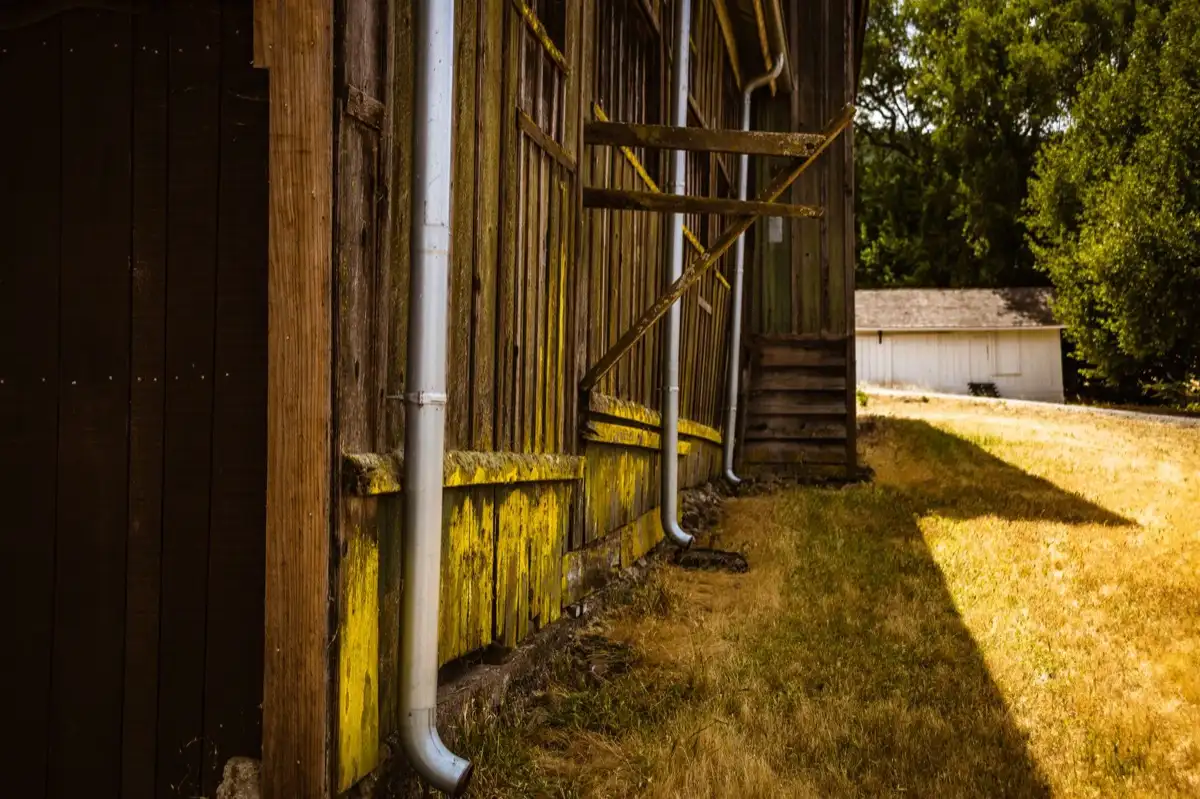
Fascia and soffit fail differently in dry country, and knowing that saves a lot of unnecessary carpentry. The picture people carry is soft, blackened wood behind a leaking gutter.
Chimney Flashing
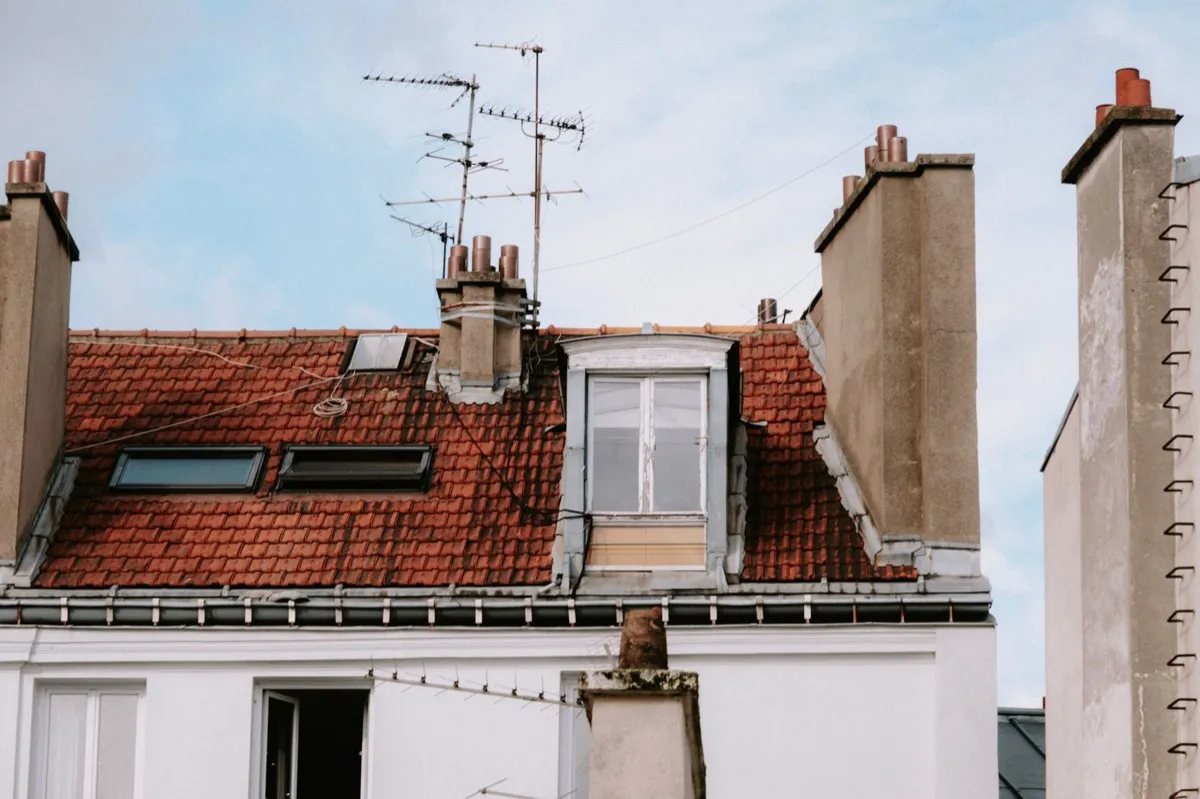
A chimney is a heavy masonry column standing on ground that moves, passing through a roof that does not move with it. That fact sits behind most chimney leaks in this town, and it is why flashing here is a movement detail rather than a waterproofing one.
Commercial Roofing
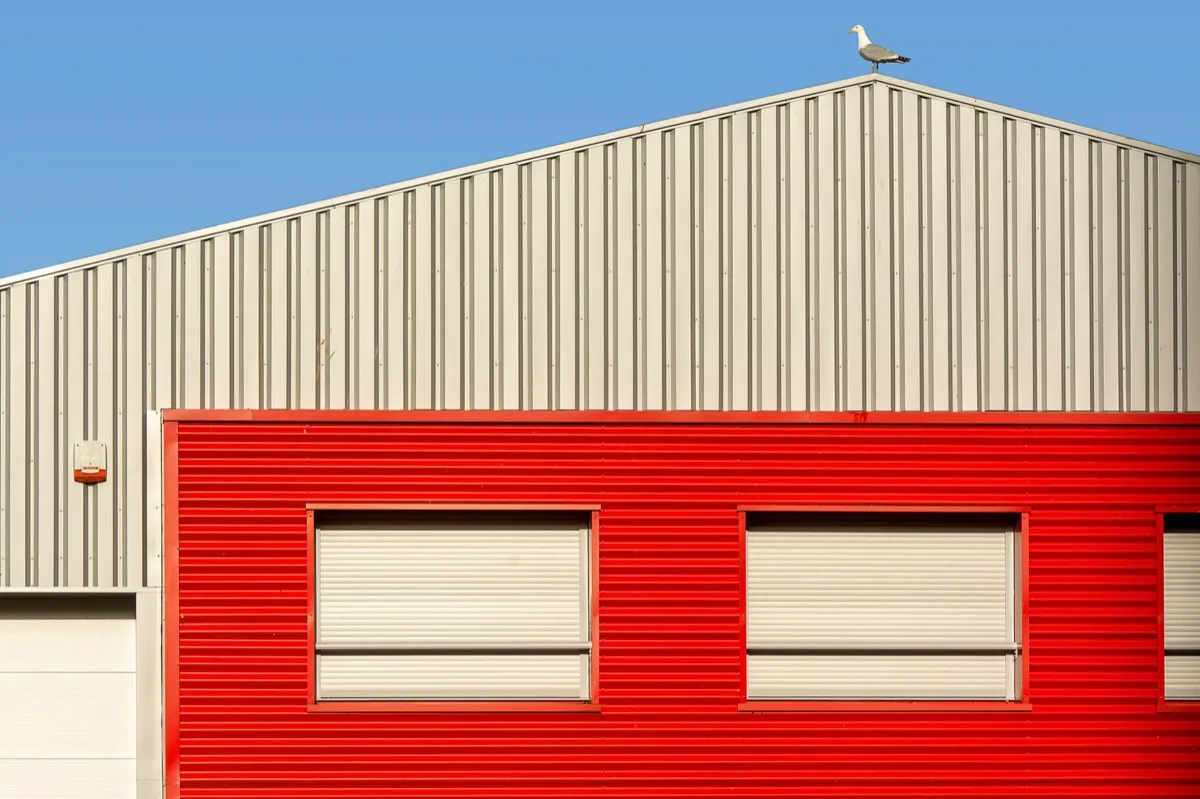
Commercial work here splits cleanly in two. Inside the city limits it is brick boxes with dead-flat decks and parapets, built before anybody thought about tapered insulation.
Insurance Claim Help
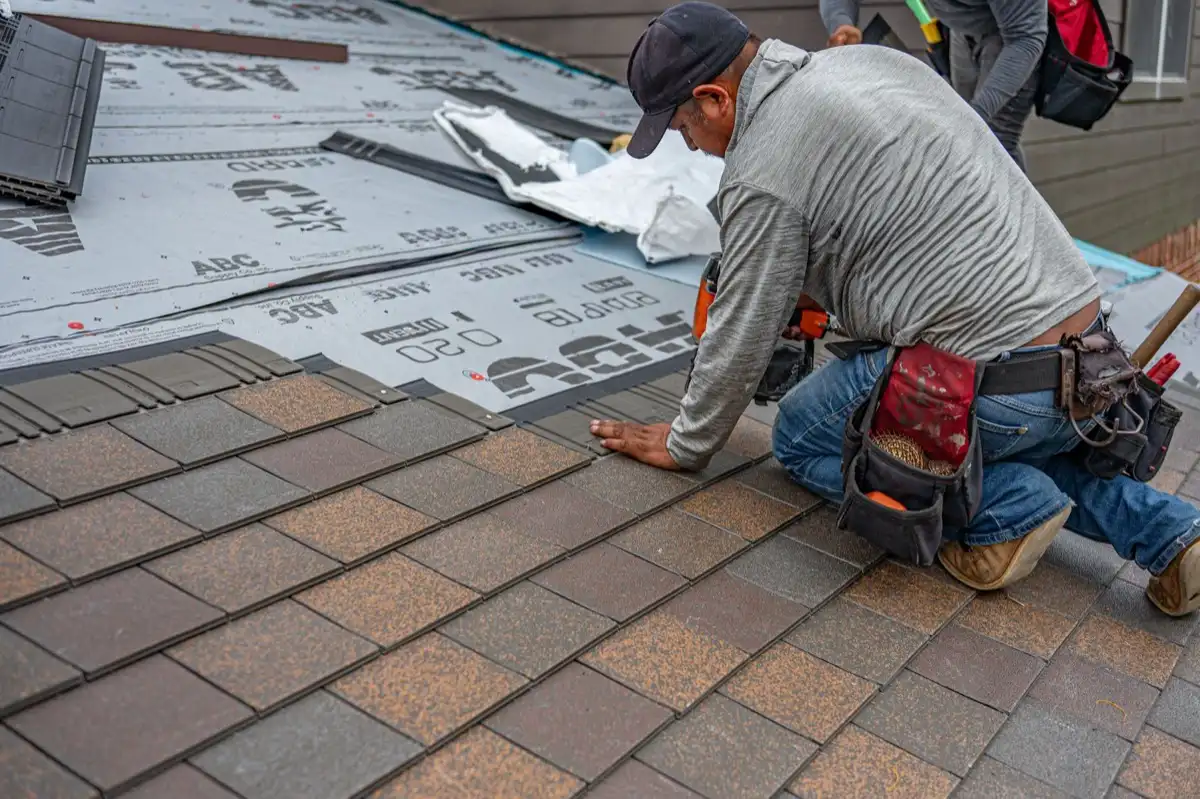
We are roofers, not public adjusters, and Texas keeps those two roles apart on purpose. We document a roof properly, meet your adjuster on it, and explain what we found.
Plainview Roof Pros replaces and repairs roofs across Hale County, working in asphalt shingle on houses, standing seam and exposed-fastener panel on shops and farm buildings, and modified bitumen or single-ply membrane on the flat downtown blocks. We handle leak tracing, storm restoration, flashing and ventilation.
What separates a roof here from the same roof anywhere else is not the covering, it is the ground underneath it. This corner of the Llano Estacado falls about ten feet in a mile and has no perennial streams at all, so water that comes off a roof does not run to a creek. It soaks in near the house or sits until the sun takes it.
That single fact reorders the work. Coatings get chosen for standing water rather than for reflectivity, and low-slope decks get judged forty-eight hours after a storm rather than during it. All of it is written down, slope by slope, before anybody is asked to buy anything at all.
What Plainview Customers Say
They looked at my gutters and the dirt under them before they looked at the shingles, which no roofer had ever done here.
Our shop roof held water for days after every rain. They cut cores, showed us the wet insulation on the tailgate, then tapered the low end and set a real overflow. First summer in years we have not had a bucket out.
Told me straight that my roof had four or five years left and that my problem was a blocked scupper on the addition. Charged me for a half day instead of selling me a tear-off. That is why I called them back for the barn.
Pulled the permit, worked around a storm that came in Thursday, and had the deck dried in before it hit. The written scope listed each slope on its own so I could see why the west side needed more than the rest.
Why Plainview Chooses Plainview Roof Pros
- ✓We price a roof around where its water ends up, because in a county with no creeks the runoff stays on your lot until it soaks in or evaporates
- ✓Every low-slope quote reports standing water measured forty-eight hours after rain, not a guess made on a dry afternoon with a tape measure
- ✓We will not put acrylic coating anywhere water stands, and we say so before you ask, because the product simply does not survive immersion
- ✓Tile gets argued against on almost every house in town, since the framing here was sized for shingles and the underlayment is doing the waterproofing anyway
- ✓Out at the caprock rim in Floyd and Briscoe County the ground finally drains, and we change what we recommend when we cross that line
About Plainview Roof Pros in Plainview, TX
We are a Plainview roofing outfit working Hale County and the farm towns around it, from Kress and Edmonson down to Abernathy and out east to Floydada and Lockney. Most weeks are split between shingle replacements on houses off Quincy and Columbia and low-slope repairs on brick buildings that have been holding water since somebody flattened the deck in the sixties.
The reason we talk about drainage more than covering is that we kept finding the same thing. A roof would be replaced, the owner would call back within two years about a ceiling crack or a door that stopped latching, and the cause would be a leader dumping a season of runoff into one strip of Pullman clay beside the slab. Nobody had ever followed the water past the gutter.
Concrete tile on a 1960s house with trusses sized for shingles is work we hand back, and we give the framing as the reason rather than the price. Coating over wet insulation gets refused for the same kind of reason, since sealing a saturated roof is how a four-figure repair becomes a tear-off inside two years. Hire somebody else for either one.
How It Works
- 1
We Map The Water First
Before anybody quotes a covering we walk the roof and then the ground. Every downspout gets followed to wherever it actually lets go, every low-slope area gets checked for standing water, and every drain and scupper gets opened. That map is what the written scope is built on, and you get a copy of it.
- 2
Written Scope, Slope By Slope
Each plane is quoted on a line of its own, with its covering, its underlayment, its fastening pattern and its edge metal named separately, because the south and west planes on a Plainview house rarely wear at the same rate as the others. Anything we think you should not buy is written down too, with the reason.
- 3
Permit, Then Tear-Off
Roof replacement is on the City of Plainview permit list, so we pull it and the number goes on your paperwork. Tear-off is scheduled around the forecast rather than the calendar, because a deck left open here can take two inches of rain out of one afternoon storm.
- 4
Close Out With The Drainage Fixed
A roof is not finished here until the water leaving it has somewhere to be. We set the discharge points, clear the scuppers and overflow paths, photograph the finished penetrations and hand over the warranty, the permit close-out and the inspection record together.
Commercial Low-Slope Roofing For Downtown Plainview And The Gin Yards
Most of the commercial roof area in Hale County is dead flat and surrounded by a parapet, which turns a brick building into a shallow tank every time a storm parks over town. The rest of it is long-run metal over gins, elevators and equipment sheds. Both fail at the water, not at the covering, so we start at the drains, the scuppers and the laps.
- ✓Parapet blocks downtown, where the wall is the only thing holding water back
- ✓Sumped drain bowls, strainers and the overflow path checked as one system
- ✓Overflow scuppers set two inches above the low point of the deck
- ✓Tapered insulation added where a deck was built with no fall at all
- ✓Core cuts before any recover, so we are not roofing over wet insulation
- ✓Long-run metal over gin yards, elevators and machine sheds resealed at the laps
- ✓Silicone restoration where water stands and the deck is otherwise sound
- ✓Night and weekend work for schools, churches and buildings that cannot close
Service Areas
Plainview Roof Pros serves Plainview, TX and surrounding communities including:
Recent Projects Across the northern Llano Estacado
Full gallery →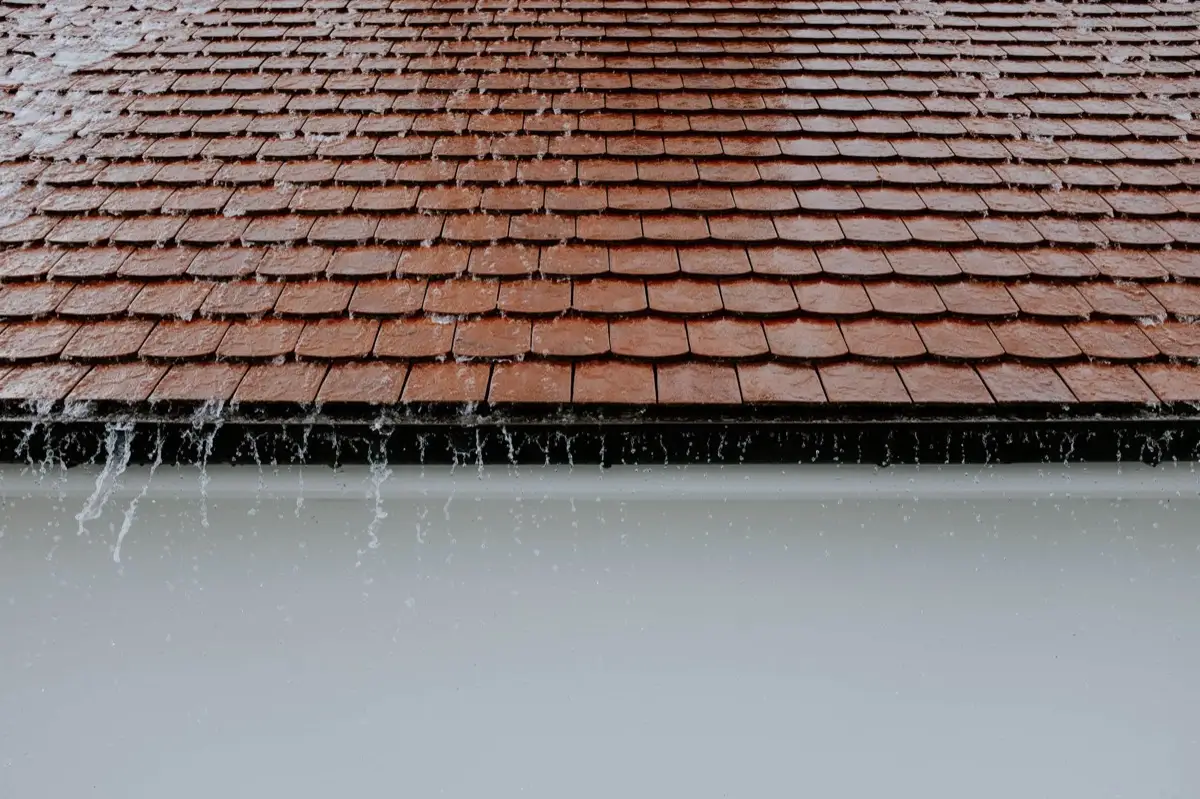
Frequently Asked Questions
Does the City of Plainview require a permit to replace my roof?
Yes. Roof replacement appears on the city's own list of work that needs a building permit, alongside room additions and patio covers. We pull it, and the number goes on your invoice. Registration is a separate thing, and the city only registers electrical, mechanical and plumbing contractors, so no roofer in town holds a city card. Ask for the permit instead.
Is my roofer licensed by the State of Texas?
Nobody is. Texas has no roofing license and no roofing registration, which surprises people who moved here from New Mexico or California. Certification from a trade group is voluntary and is not a license. The things you can actually verify are a Plainview permit number, a liability certificate sent straight from the insurer and a workers compensation certificate, and you should ask for all three.
Why do you care so much where my downspouts let go?
Because on this part of the plains the water does not leave. The land falls about ten feet in a mile and there are no creeks to carry runoff away, so whatever comes off your roof soaks in near the house or sits until it evaporates. Pullman clay loam takes water slowly and swells while it holds it, and that movement is what cracks slabs and racks framing.
How much rain does a Plainview roof actually have to handle?
About nineteen inches in an average year, which sounds gentle until you see how it arrives. Most of it comes in a handful of convective storms between May and September, and a single one of those can drop two or three inches in an hour. A roof here is idle for weeks and then asked to move a season's worth of water in forty minutes.
My flat commercial roof holds water after a storm. Is that normal?
It is common and it is not acceptable. The working definition in the trade is water still standing forty-eight hours after the rain stops in drying weather, and past that point you are looking at a real defect rather than a slow drain. On a dead-flat downtown roof it usually means the drain is sumped wrong, the scupper is blocked, or the insulation has no taper at all.
Do you chase storms and knock doors after hail?
No. Crews come up from Lubbock and down from Amarillo after every event and some of them are fine, but we live with the buildings we work on and we are still here in February. We will tell you when there is no claim, and a fair number of the roofs we look at after a storm turn out to have a drainage problem that no carrier is going to pay for.